
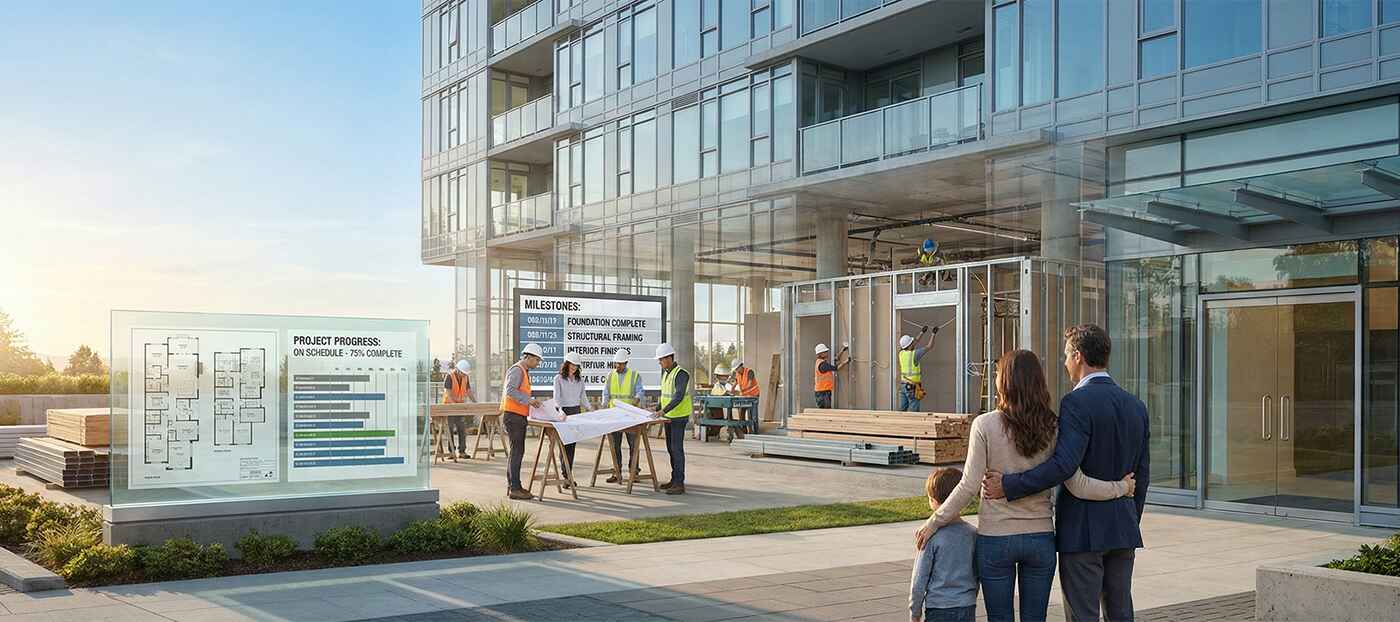
In the UAE’s fast-moving property market, trust isn’t just a “nice-to-have”—it’s the entire foundation of the deal. Whether you are a first-time buyer or a seasoned investor, handing over your hard-earned money for a property that might still be under construction requires a massive leap of faith.
We’ve all heard the stories of “smoke and mirrors” in real estate. But the best real estate developers in the UAE are changing the narrative. They realize that being open even when things don’t go perfectly is the only way to build a reputation that lasts.
It’s more than just a marketing buzzword. In real-world terms, transparency means having a “no-surprises” policy. It means the developer tells you the truth about how long things will take, exactly what materials are going into your kitchen, and how the budget is being handled. It’s about making the buyer feel like a partner, not just a transaction.
We’ve all seen the monthly “construction update” emails that say absolutely nothing. A human-centric developer does it differently. They provide:
Real estate is a massive financial commitment. Transparency here means clear escrow account reporting and zero hidden “admin fees” that pop up at the last minute. When a developer shows you exactly where the money is going and how they are staying compliant with Dubai Land Department (DLD) regulations, the anxiety of “is my money safe?” disappears.
The biggest cause of friction in the UAE market is a “delivery gap”—the space between what was promised and what was delivered. Human-written trust is built by:
As transparency becomes a standard expectation in the UAE real estate market, it benefits everyone involved. Buyers gain confidence, regulators see improved compliance, and developers strengthen their brand reputation.
When transparency is practiced consistently, it leads to:
A buyer who feels respected and informed is far more likely to return for future investments—and to recommend the developer to others.
Founded in 2016, IMAN Developers has embraced transparency as a foundational principle across its residential portfolio. By prioritizing clear communication, realistic timelines, and consistent buyer engagement, IMAN has built a reputation for reliability and integrity in Dubai’s residential market.
IMAN Developers is known for:
This commitment ensures that every stakeholder remains informed, confident, and secure throughout the project lifecycle.
| Feature | Opaque Projects | Transparent Projects |
| Communication | Infrequent, unclear, often reactive | Regular, detailed, proactive |
| Trust | Low, often based on speculation | High, based on verifiable information |
| Dispute Risk | High, due to misunderstandings | Low, issues resolved early |
| Buyer Satisfaction | Limited, prone to disappointment | Strong expectations are met |
In a world increasingly shaped by information and accountability, transparency stands out as the most powerful tool for residential developers. It transcends a mere operational choice, becoming a fundamental philosophy that underpins every successful project and cultivates unwavering trust among homebuyers and investors.
By embracing open communication, financial clarity, and steadfast reliability, developers in the UAE and beyond can not only meet but exceed expectations, establishing a legacy of integrity and success. The long-term benefits—from enhanced reputation to reduced disputes and a loyal customer base—are clear indicators that transparency is not just good practice; it is essential business.
Choosing a home is a milestone that deserves complete clarity from the first inquiry to the final handover. At IMAN Developers, we believe that transparency is the only way to build lasting communities. By providing real-time construction updates, open financial reporting, and clear project timelines, we ensure your investment is protected and your peace of mind is prioritized.
Are you ready to invest in a project where honesty is the foundation?
Explore Our Latest Residential Projects in the UAE
Q1: Why is transparency important in residential projects?
Transparency is important in residential projects because it builds trust between developers and stakeholders, reduces financial and legal risks, ensures buyer satisfaction, and enhances the developer’s reputation for reliability and ethical practices. It fosters clarity and prevents misunderstandings.
Q2: How can developers maintain transparency?
Developers can maintain transparency by providing regular construction updates, offering clear financial reporting, adhering to realistic timelines, ensuring accurate information on unit specifications, and establishing open channels for communication and issue resolution.
Q3: Does transparency increase buyer confidence?
Yes, transparency significantly increases buyer confidence. When buyers have access to comprehensive and accurate information about a project, they feel more secure in their investment, knowing that the developer is open and accountable, which leads to greater peace of mind.
Q4: Why does transparency build trust?
Transparency builds trust by demonstrating honesty, integrity, and accountability. When information is shared openly and consistently, it signals that the developer has nothing to hide and is committed to delivering on promises, thereby fostering reliability and belief among stakeholders.
Q5: Why is transparency especially important in the post-trust era?
Transparency is especially important in the post-trust era because consumers and investors are increasingly skeptical and wary of opaque practices. In an age where information is readily accessible, a lack of transparency can quickly erode reputation, making open communication essential for rebuilding and sustaining confidence.
Q6: What role does transparency play in building trust with stakeholders?
Transparency plays a crucial role in building trust with stakeholders by providing them with the necessary information to make informed decisions and to feel included in the project’s journey. It creates a sense of partnership and mutual respect, leading to stronger, more reliable relationships with buyers, investors, and regulatory bodies.
Q7: How does transparency build trust in relationships?
Transparency builds trust in relationships by fostering honesty, clear expectations, and open dialogue. It allows all parties to understand each other’s perspectives and commitments, reducing ambiguity and promoting a sense of security and reliability. This openness forms the basis for strong, enduring relationships.