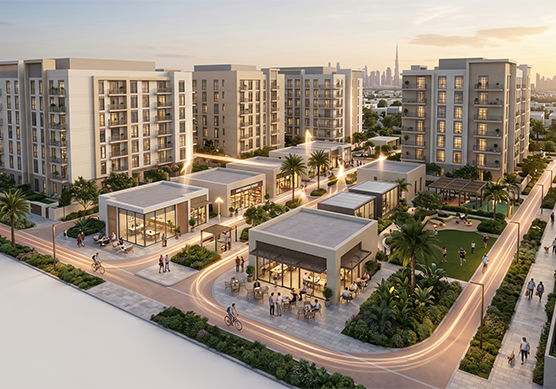


Off-plan property refers to real estate purchased before construction is completed. Investors prefer off-plan properties because they offer lower entry prices, flexible payment plans, and strong long-term capital growth potential.
This investment approach allows buyers to enter the market early, benefit from price appreciation during development, and align capital deployment with construction milestones rather than paying the full amount upfront.
Off-plan property is real estate sold before it is fully built. In most cases, investors purchase based on approved plans, layouts, and project specifications provided by the developer. Among the many options available, off-plan property continues to attract investors who understand market cycles, demand trends, and the value of entering early.
The buyer commits early, often at a stage when construction has not yet begun or is still in its initial phases. Payment is made in stages, linked to construction progress rather than a single upfront transaction. This guide explains how off-plan investment works, why it appeals to investors, and how locations such as JVC, Arjan, Motor City are shaping long-term value.
For investors, this model is less about immediate use and more about timing, pricing, and future value.
Key characteristics of off-plan property include:
In regulated markets such as Dubai, off-plan transactions follow a structured process overseen by government authorities. This framework has helped off-plan investment mature into a mainstream strategy rather than a speculative gamble.
From an investor’s point of view, off-plan investment follows a clear and predictable sequence.
First, the investor selects a project based on location, developer track record, pricing, and future demand indicators. Once a unit is reserved, an initial booking amount is paid. This is usually a small percentage of the total value.
The remaining amount is then paid in installments linked to construction milestones. These milestones are verified and regulated, ensuring payments correspond with actual progress on site.
A typical off-plan investment flow looks like this:
For investors, this structure improves cash flow management. Capital is deployed gradually, allowing funds to remain liquid or be used elsewhere during the build period.
Once construction is complete, investors have options. They may hold the property for rental income, sell it upon handover, or retain it for long-term appreciation.
Investor interest in off-plan property is not driven by short-term trends. It is rooted in pricing logic, timing advantages, and market structure.
One of the main reasons investors prefer off-plan assets is early entry pricing. Properties launched at the planning or early construction stage are typically priced below their expected market value upon completion.
As construction progresses, prices often rise in line with demand, infrastructure development, and improved market confidence. Investors who enter early capture this price movement.
Another key factor is payment flexibility. Unlike ready properties that require a large upfront payment or immediate financing, off-plan projects spread payments over time.
This improves capital efficiency and reduces financial pressure during the investment period.
Other reasons investors favor off-plan property include:
For experienced investors, off-plan property is a planning tool rather than a rushed purchase. It allows investment decisions to be made with a forward-looking view of supply, demand, and pricing cycles.
Off-plan units are typically offered at prices below those of completed properties in the same area. Property developers in Dubai price early to attract initial buyers and fund construction.
For investors, this lower entry point improves return potential and reduces downside exposure.
One of the strongest advantages of off-plan investment is value growth before handover, just like Motor City.
As construction advances and market visibility improves, property prices tend to rise. Investors benefit from appreciation that occurs before rental or resale activity even begins.
This appreciation is driven by:
Off-plan properties are usually sold with structured payment plans linked to construction milestones.
This approach allows investors to:
Lower upfront capital improves overall investment efficiency, especially for investors managing multiple assets.
Early-stage projects often launch in areas expected to see long-term demand growth. Investors gain access to these locations before prices adjust to full market value.
This is particularly relevant in master-planned communities where infrastructure, retail, and transport links are still under development.
Off-plan properties are delivered as new units. This reduces maintenance costs in the early years and aligns well with rental market preferences for modern layouts and updated facilities.
| Investor Factor | Off-Plan Property | Ready Property |
| Entry Price | Lower at the launch stage | Higher market price |
| Payment Structure | Staggered during construction | Full payment or mortgage |
| Appreciation Timeline | During construction and post-handover | Slower, post-purchase |
| Rental Income | Starts after completion | Immediate |
| Capital Commitment | Spread over time | Immediate |
This comparison highlights why many investors choose off-plan properties when focusing on growth rather than immediate income.
Off-plan investment is structured, but it is not without considerations. Investors should understand potential risks and plan accordingly.
Project timelines can shift due to market conditions or logistical challenges. Delays may affect expected handover dates and rental income timelines.
Experienced investors factor this into their planning rather than relying on fixed completion dates.
Property values may change due to broader economic factors. While long-term markets such as Dubai have shown resilience, short-term price movements can vary.
This is why off-plan investment suits investors with a medium to long-term outlook.
The developer’s track record plays a critical role in risk management. Investors should focus on developers known for delivery standards, transparent processes, and financial discipline.
Developer-backed payment plans and regulated escrow systems help reduce exposure.
Off-plan properties do not generate rental income until completion. Investors seeking instant cash flow may prefer ready assets. Investors who work with established property developers in Dubai tend to experience fewer execution issues, as delivery history and financial discipline matter.
However, those focused on appreciation often accept this trade-off.
Off-plan investment is not limited to a single investor profile. It suits a range of strategies when applied correctly.
Off-plan property may be suitable for:
It may be less suitable for those requiring immediate rental returns or short-term liquidity.
For investors with patience and a clear strategy, off-plan property offers a structured entry into growing markets.
Dubai’s real estate market has evolved around planned development rather than organic expansion. New districts, transport links, and lifestyle hubs are introduced with long-term planning in mind.
Off-plan investment aligns naturally with this structure.
Regulatory oversight, escrow account systems, and phased development have added transparency to the off-plan segment. This has strengthened investor confidence over time.
Demand drivers such as population growth, business expansion, and international interest continue to support long-term housing needs.
For investors, off-plan property provides exposure to this growth cycle from an early stage.
Developer credibility plays a central role in off-plan investment decisions.
Investors look for:
Developers who focus on planned communities, thoughtful layouts, and regulated delivery processes contribute to market stability.
This approach helps investors make decisions based on fundamentals rather than speculation.
Off-plan property is generally better suited to medium and long-term investment strategies. In communities such as Motor City, demand is driven by residents rather than short-term visitors. This stability supports predictable rental performance once the asset is completed.
While some investors choose to sell upon completion, many hold assets to benefit from rental income and continued appreciation.
The staged payment structure supports this approach by reducing initial financial pressure and allowing time for market conditions to mature.
Investors who align expectations with realistic timelines tend to see more consistent outcomes.
Off-plan property is not about quick wins. It is about timing, pricing, and patience. Investors increasingly evaluate property developers in Dubai based on execution rather than promotion. A disciplined development approach signals long-term intent rather than short-term sales.
For investors who understand market cycles and value structured growth, off-plan assets provide a measured way to enter emerging locations and benefit from long-term demand
When supported by regulated processes and experienced developers, off-plan property remains a core strategy for investors building sustainable real estate developers in Dubai.
Q1: Why do investors prefer off-plan property?
Investors prefer off-plan property because it offers lower entry prices, flexible payment plans, and the potential for capital appreciation during construction.
Q2: Is Off-plan property safe for investors?
In regulated markets with escrow systems and developer oversight, off-plan property follows a structured purchase process. Risk management depends on market selection and developer credibility.
Q3: Can off-plan property generate rental income?
Rental income begins after project completion. Off-plan property is usually chosen for growth first, income second.
Q4: What is the biggest risk of off-plan investment?
Construction delays and market fluctuations are the main considerations. These risks are often managed through long-term planning and developer selection.
Q5: Is off-plan property suitable for first-time investors?
Yes, off-plan property can suit first-time investors due to lower upfront capital requirements and flexible payment structures.
Q6: Why invest in off-plan properties in Dubai?
Dubai offers regulated off-plan processes, long-term demand drivers, and a structured development model that supports investor confidence.
Q7: Is it good to invest in off-plan property?
For investors focused on capital growth and planned market exposure, off-plan property can be a suitable investment approach.
Q8: What is off-plan property in real estate?
Off-plan property is real estate purchased before construction is completed, usually with staged payments linked to development progress.
Q9: What is the 70-30 rule in investing?
The 70 30 rule often refers to portfolio allocation between growth and stability assets. In real estate, it may guide how capital is split across risk profiles.