
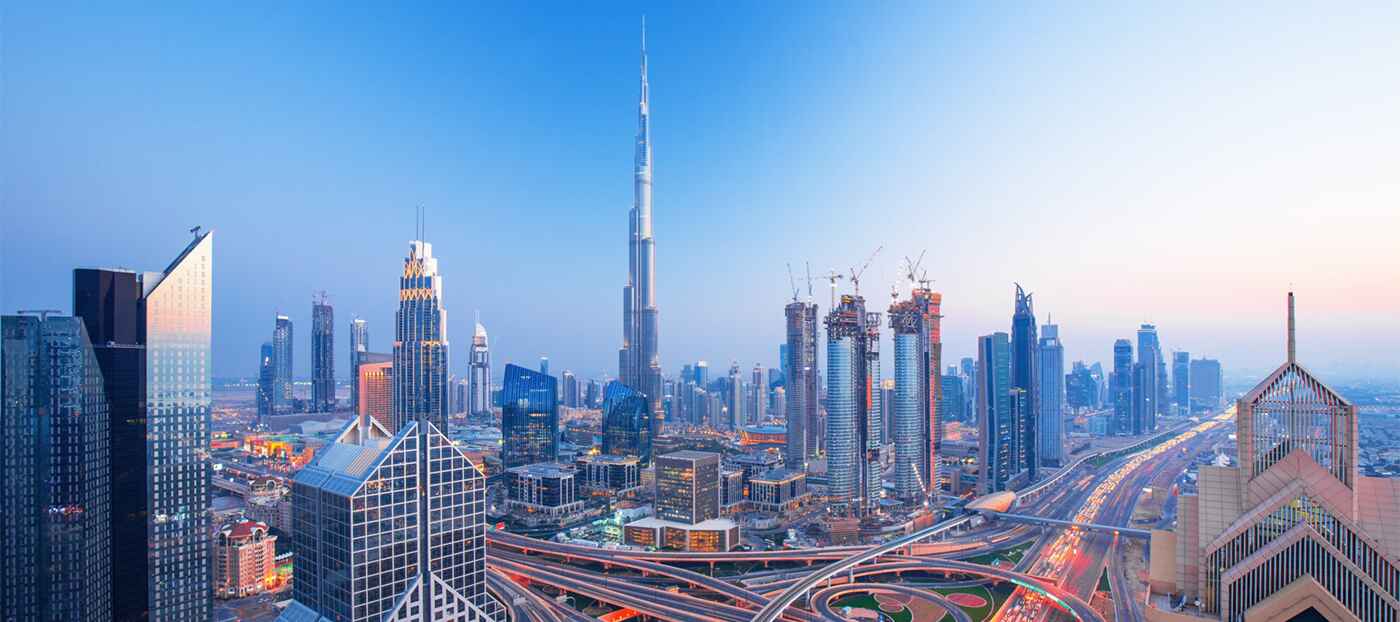
The Dubai real estate market continues its remarkable growth trajectory, solidifying its position as one of the world’s most dynamic investment destinations. In 2025, record-breaking property sales and steady investor confidence reaffirmed Dubai’s resilience and forward momentum, particularly in the off-plan sector.
As global investors search for high-growth assets, Dubai’s off-plan developments present an unmatched combination of affordability, flexibility, and long-term appreciation. Favorable policies such as the Golden Visa initiative, improved ownership regulations, and tax-free investment returns have further strengthened Dubai’s global appeal.
By 2026, the city’s off-plan pipeline is expected to expand significantly, featuring next-generation communities designed around smart living, sustainability, and luxury convenience. These launches are strategically timed to capitalize on heightened investor appetite and population growth, cementing Dubai’s reputation as a secure, transparent, and profitable real estate developer in the UAE.
2026 marks a strategic turning point for Dubai’s property market. Following years of record off-plan launches and population-driven demand, developers are focusing on premium design, sustainability, and community infrastructure — qualities that modern investors increasingly prioritize.
The city’s rental market remains under pressure from high demand and limited ready supply, pushing yields upward and fueling pre-handover capital appreciation. For international investors, favorable currency exchange rates and flexible financing terms have created an ideal entry window.
Combined, these factors point toward sustained double-digit returns, making early participation in 2026’s off-plan projects both lucrative and low-risk.
The appeal of Dubai off-plan property 2026 investments lies in their ability to offer premium assets at lower entry points while minimizing upfront financial commitment.
Investors can reserve prime properties at launch prices, often 10–20% lower than comparable ready units — benefiting from built-in appreciation as construction progresses. This structure allows for short-term profit potential through flipping or long-term wealth creation via rental yield and resale value.
Developers now offer flexible payment plans like 60/40, 70/30, or even 1% per month structures, easing access for first-time and overseas buyers. These options allow investors to diversify their portfolios without over-leveraging capital.
Post-handover, yields are projected between 8 and 10% in prime and mid-tier districts, supported by ongoing tenant migration to Dubai. Furthermore, the Golden Visa continues to attract affluent foreign investors who view Dubai as a stable base for both residence and business operations.
According to Dubai Land Department (DLD) data, off-plan sales volumes rose by over 25% year-on-year, underscoring a robust confidence in under-construction projects as the city expands eastward and southward.
The right location can make all the difference. Here’s where savvy investors should focus their off-plan property search in 2026.
A long-standing favorite for investors, Business Bay’s strategic location near Downtown Dubai ensures continuous rental demand from executives and professionals. The area’s commercial proximity to the Burj Khalifa and Dubai Canal adds lifestyle value, sustaining steady occupancy rates and strong capital growth potential.
Dubai South continues to rise as a promising hub anchored by Expo City’s transformation into a sustainable smart district. Its connectivity to Al Maktoum International Airport, and major highways boosts its appeal for logistics, aviation, and residential expansion.
The area offers competitive entry prices compared to central Dubai and benefits from significant government infrastructure investment. Analysts expect double-digit appreciation in this region as the city’s southern corridor matures.
JVC has evolved from an affordable residential community into one of Dubai’s most sought-after mid-market zones. Investors are drawn to its steady 8–9% rental yields, affordability, and expanding amenities.
A growing young professional and family demographic ensures ongoing demand for high-quality yet accessible units. Its balanced mix of villas, apartments, and retail developments offers consistent cash-flow opportunities for long-term landlords.
Positioned as Dubai’s future waterfront landmark, Dubai Creek Harbour combines luxury, sustainability, and urban connectivity. The area’s panoramic skyline views, open parks, and access to cultural sites make it a magnet for premium buyers and high-net-worth investors.
Early investors stand to gain from rapid appreciation as major towers near completion and tourism infrastructure continues to expand. Dubai Creek Harbour remains a benchmark for luxury off-plan investment with exceptional resale potential.
Motor City still flies a bit under the radar, but investors who know it love the place: proper villas and low-rise apartments wrapped around the Dubai Autodrome, green parks everywhere, and a genuine community feel you don’t get in the glass-tower districts.
Fresh off-plan launches in 2026 (New Bridge Hill and a couple of others) start from around AED 1M for a decent 1-bed, and the numbers look solid: 7.5-8% net yield once handed over, plus another 15-20% uplift by completion as Dubai South and the airport corridor keep growing. For mid-budget buyers who want a lifestyle without paying JVC or Business Bay prices, it’s one of the smartest plays right now.
The profitability outlook for Dubai off-plan ROI 2026 remains highly favorable across all asset classes.
1. Rental ROI:Investors can expect 7–10% annual yields after handover, depending on the district and unit type.
2. Capital Appreciation: Properties purchased during early construction phases may gain 15–20% in value before completion.
3. Flipping Potential: Early buyers in high-demand developments often realize short-term profits of 10–15% within 18 months by reselling before handover.
The most successful investors follow a two-phase strategy, securing properties early, then holding select assets through completion to capture both appreciation and rental income.
As Dubai maintains population and tourism growth, the city’s limited ready-to-move-in supply will continue to pressure prices upward through 2026.
Historically, projects from reputable builders like IMAN Developers have achieved an average of 14% post-handover appreciation, a benchmark that is forecast to continue through 2026.
1. Removal of construction risk
2. Increased buyer confidence and mortgage eligibility.
3. Limited supply of new completed inventory in prime areas.
Developers strategically price pre-launch units below projected completion value, ensuring early buyers enjoy built-in appreciation. For investors, this translates into double-layered profit, first from price growth during construction and second from elevated post-handover resale value.
In 2026, appreciation margins between 12–18% are forecast for well-located, quality developments from reputable builders such as IMAN Developers.
Dubai’s off-plan ecosystem thrives on payment flexibility, a key differentiator compared to mature real estate markets.
Plans like 1% monthly, post-handover installments, or long-term developer financing make property investment accessible to a wider audience. Investors can distribute payments over time, manage liquidity efficiently, and maintain exposure to property growth without immediate capital strain.
These plans also encourage diversified portfolio growth, allowing investors to hold multiple units across different communities. Developers’ post-handover schemes (such as 2–3 years after completion) further enhance the cash-flow advantage by aligning income with future rental returns.
| Metric | Projection | Goal | |
| Average Rental ROI (Post-Handover) | 7%–10% Annually | Consistent Cash Flow | |
| Capital Appreciation (Pre-Handover) | 15%–20% by Completion | Maximum Profit on Exit | |
| Best Area for Yield | JVC (Mid-Market Apartments) | Immediate Rental Income | |
| Best Area for Appreciation | Dubai Creek Harbour (Luxury Waterfront) | Long-Term Capital Growth | |
| Investor Protection | DLD Escrow Account System | Guaranteed Fund Security |
While ready properties generate instant rental income and reduced risk, off-plan assets allow investors to purchase below market value, benefit from phased payments, and enjoy stronger long-term appreciation. Both strategies complement each other when balanced within a diversified portfolio.
Dubai’s regulatory framework ensures investor confidence through transparency and accountability. The Dubai Land Department (DLD) and Real Estate Regulatory Agency (RERA) continue to strengthen compliance standards for developers and brokers.
Key protections include:
1. DLD escrow accounts safeguard buyer payments until project milestones are met.
2. Strict advertising controls prevent false or misleading property claims.
3. Mandatory project disclosures ensure buyers receive real-time progress updates.
4. RERA-standardized contracts, protecting investors from hidden clauses and delays.
In 2026, expect further digital transformation across DLD systems, including blockchain-backed property registration and instant title verification — initiatives that enhance transparency and global investor trust.
To calculate true profitability, investors should account for associated costs:
1. DLD Fee (4%) – applied to the total property value.
2. Oqood Registration – AED 1,000–5,000 depending on unit value.
3. Service Charges – AED 15–30 per sq. ft. per year, depending on amenities.
4. Maintenance Fees – post-handover upkeep for common and private areas.
5. Agency Commission – 2% of the purchase price plus VAT.
6. Mortgage-Related Costs – bank processing, valuation, and insurance fees.
By understanding these charges early, investors can plan returns more accurately and avoid unexpected deductions.
Dubai’s off-plan market is poised for another record-breaking phase. Mega developments linked to Expo City, Dubai South, and Creek Harbour will continue to attract both local and foreign capital.
Government initiatives, including residency reforms and digital property management, further simplify ownership for international investors. Analysts anticipate that off-plan transactions will exceed ready property sales through 2026 due to lower entry prices and attractive yield potential.
For investors adopting a medium-term hold strategy, this period offers optimal conditions to buy, hold, and benefit from Dubai’s continuous infrastructure evolution.
Looking to invest in a high-performing off-plan project?
Partner with IMAN Developers to explore Dubai’s top 2026 launches and secure your position in the city’s next estate growth cycle. Discover investment opportunities designed for performance, transparency, and long-term success.
1. Is off-plan property profitable in Dubai in 2026?
Yes. Off-plan property in Dubai remains highly profitable due to flexible payment plans, lower entry costs, and strong capital appreciation upon completion.
2. What ROI can investors expect in 2026?
Average rental ROI is 7–10% annually, while pre-handover appreciation ranges from 15–20% in key areas.
3. Which communities will perform best in 2026?
Business Bay, JVC, Dubai South, and Dubai Creek Harbour are forecast to outperform, driven by infrastructure growth and lifestyle demand.
4. Is off-plan better than ready property in 2026?
Off-plan offers better leverage and long-term growth, while ready units provide instant income. The ideal strategy combines both.
5. What are the new regulations in 2026?
Enhanced escrow monitoring, stricter developer transparency rules, and improved RERA enforcement for buyer protection.