
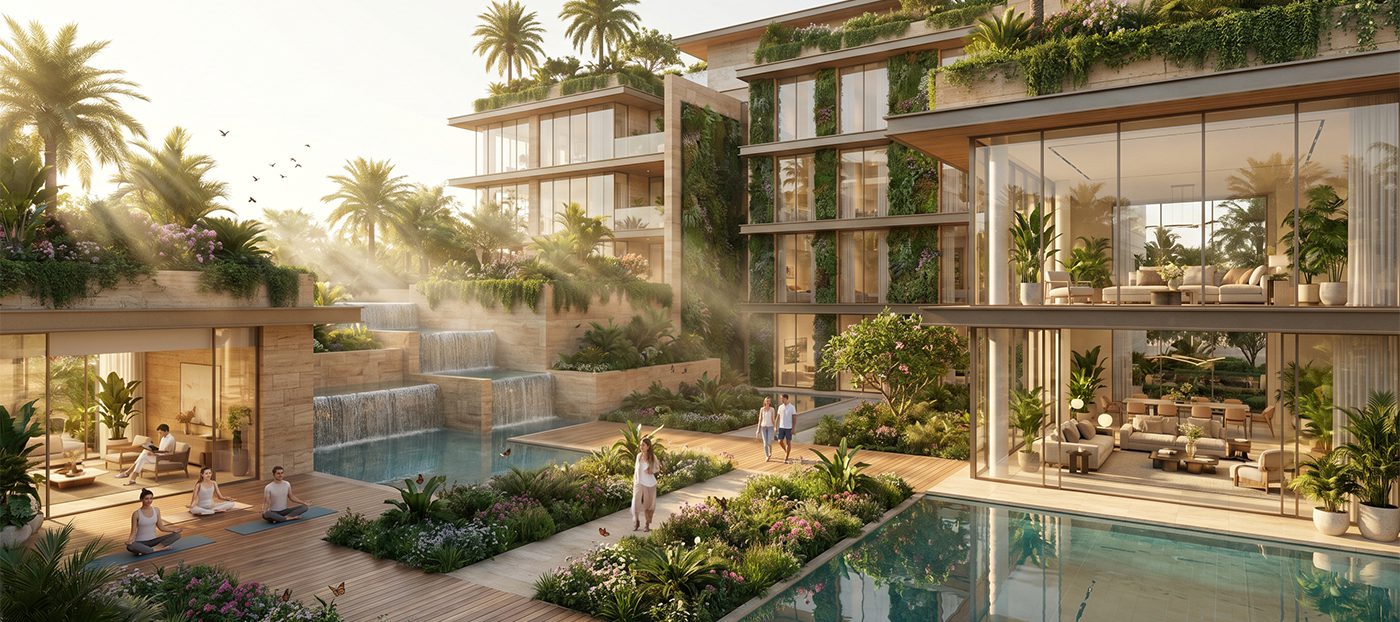
Biophilic architecture is the practice of designing buildings around natural elements — water, plants, light, and airflow — so residents feel calmer, breathe cleaner air, and stay healthier indoors. In Dubai, where outdoor temperatures push residents inside for most of the year, this design approach has moved from a luxury add-on to a core wellness feature.
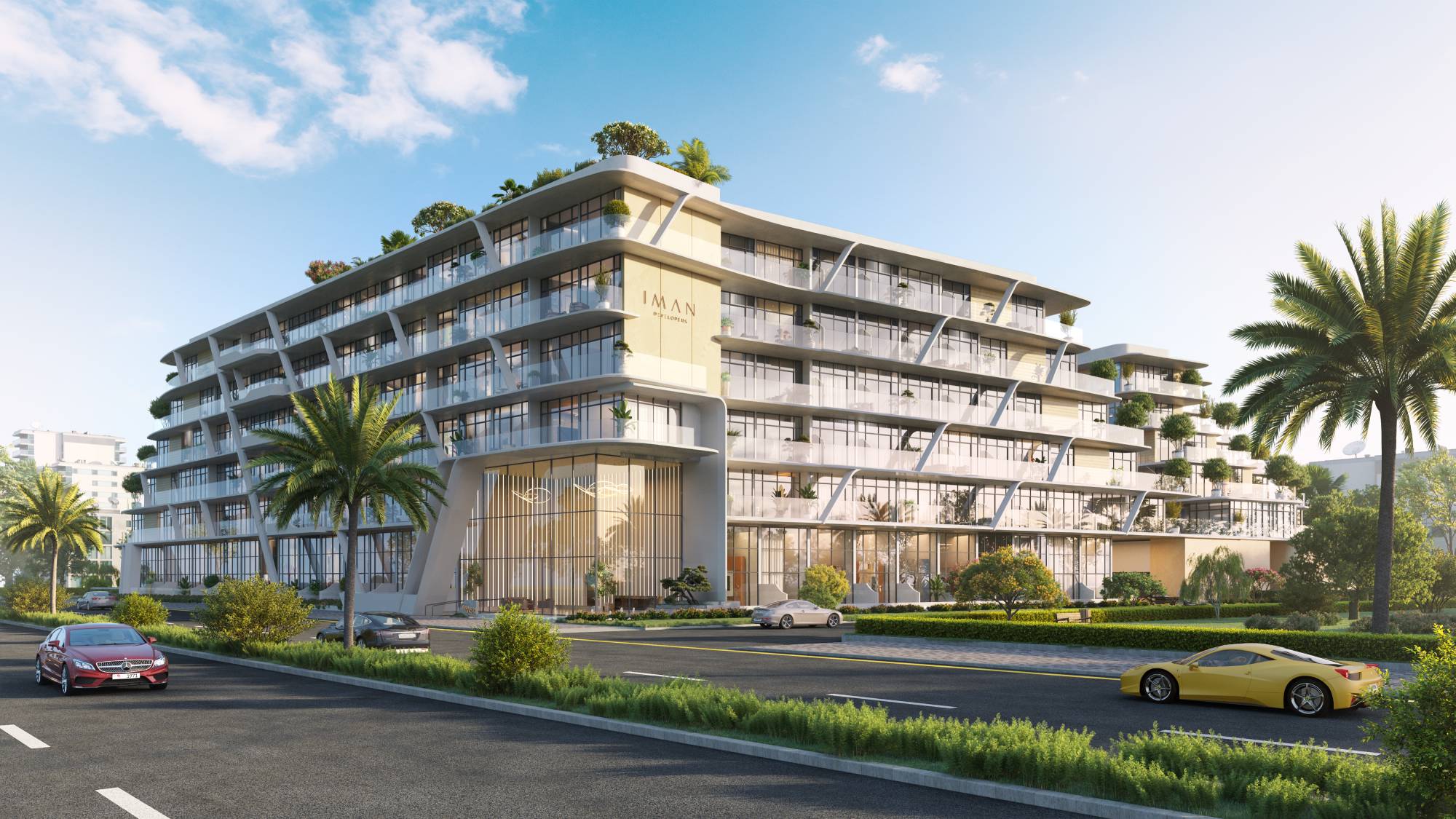
Cascading water walls raise humidity and settle airborne dust, while curated green spaces filter volatile compounds and add oxygen to living areas. Developments like 15 Cascade and Sierra by Iman are built around exactly this principle.
Dubai’s residents spend the vast majority of their day in climate-controlled interiors. Sealed buildings and heavy air conditioning keep homes cool, but they also trap dry air, dust, and indoor pollutants unless a building is specifically designed to counter that. Biophilic architecture addresses this directly by reintroducing the natural regulators — water and vegetation — that a fully sealed, air-conditioned building would otherwise lose.
This is why leading Dubai developers now treat biophilic design as a functional wellness system, not just a visual theme. It changes how a home feels to live in day to day: better air, better acoustics, and a lower baseline stress level.
Water features do more than look impressive in a lobby or courtyard. From an air-quality standpoint, they perform three measurable functions:
At 15 Cascade, positioned at the entrance of Motor City, the architecture is built around this exact concept — a cascading water design that shapes the building’s identity while doing functional work on air quality and indoor comfort for residents.
Plants remove airborne toxins and volatile organic compounds (VOCs) that build up from furnishings, paint, and everyday household products, while also releasing oxygen and helping regulate humidity. In a residential setting, the effect compounds when green space is layered through the building rather than isolated to a single garden:
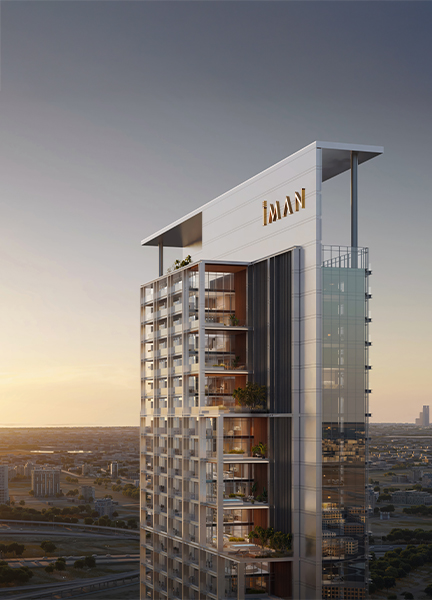
Sierra by Iman, rising at the entrance of Motor City, is built around this principle at scale. Its 75,000 sq. ft. amenity deck integrates tranquil gardens alongside wellness retreats, fitness zones, and multiple pools — designed so residents move through green, water-adjacent spaces as part of daily life rather than as an occasional visit to a park.
Improved air quality is only part of the story. Exposure to water and greenery — even visually, through a window or a walk across an amenity deck — is consistently associated with lower stress and better mood, which is the foundation of the “biophilia” concept in architecture and wellness design.
Practically, this shows up as:
Two current projects illustrate how this translates from concept to finished residence:
15 Cascade — An architectural landmark at the entrance of Motor City where cascading water is not a decorative feature but the organizing idea of the building, shaping both its identity and its indoor comfort.
Sierra by Iman — 593 residential units and 5 retail spaces built around a 75,000 sq. ft. amenity deck combining wellness retreats, fitness zones, tranquil gardens, and multiple pools.
Residences range from studios to 4-bedroom duplexes with private pools, with select units featuring terraces that blur the line between indoor and outdoor living — a direct application of biophilic principles at the unit level. Sierra was recognized among the Top 100 Luxury Residences of the World 2025 by the Luxury Lifestyle Awards.
If indoor air quality and wellbeing matter to your next move, a few practical questions are worth asking any developer:
It has a measurable functional role. Water features regulate humidity and help settle airborne dust, while integrated greenery filters VOCs and adds oxygen — both are established mechanisms, not just design trends.
Because residents spend most of their time in sealed, air-conditioned interiors, which can trap dry air and pollutants. Biophilic design reintroduces natural regulators — water and plants — that counteract those effects.
15 Cascade is built around a cascading water concept at its architectural core, and Sierra by Iman integrates gardens, water features, and wellness amenities across a 75,000 sq. ft. amenity deck.
Yes. The ambient sound of moving water helps mask surrounding urban noise, which contributes to the lower-stress effect associated with biophilic spaces.
Look for greenery and water integrated into everyday circulation spaces (not just a single garden), private terraces, and dedicated wellness infrastructure like fitness zones and pools built into the amenity plan.