
The “Service Charge War” refers to the rising tension between landlords and tenants as inflation and energy costs drive up building maintenance fees. In 2026, Smart Building Management is the primary solution. By using AI-driven sensors and demand-based utilities, developers like Iman can reduce operational waste by up to 30%, ensuring high net yields for investors and sustainable occupancy costs for tenants.
In the UAE’s current economic climate, the RERA Service Charge Index is more transparent than ever. However, as labor and raw material costs climb, the pressure on a property’s net yield has intensified.
For the investor, these rising costs are a direct threat. If the service charge is too high, you lose high-quality tenants; if it’s too low, the building’s quality—and your asset value—depreciates. The industry has moved beyond cost-cutting; the focus in 2026 is Efficiency via Automation.
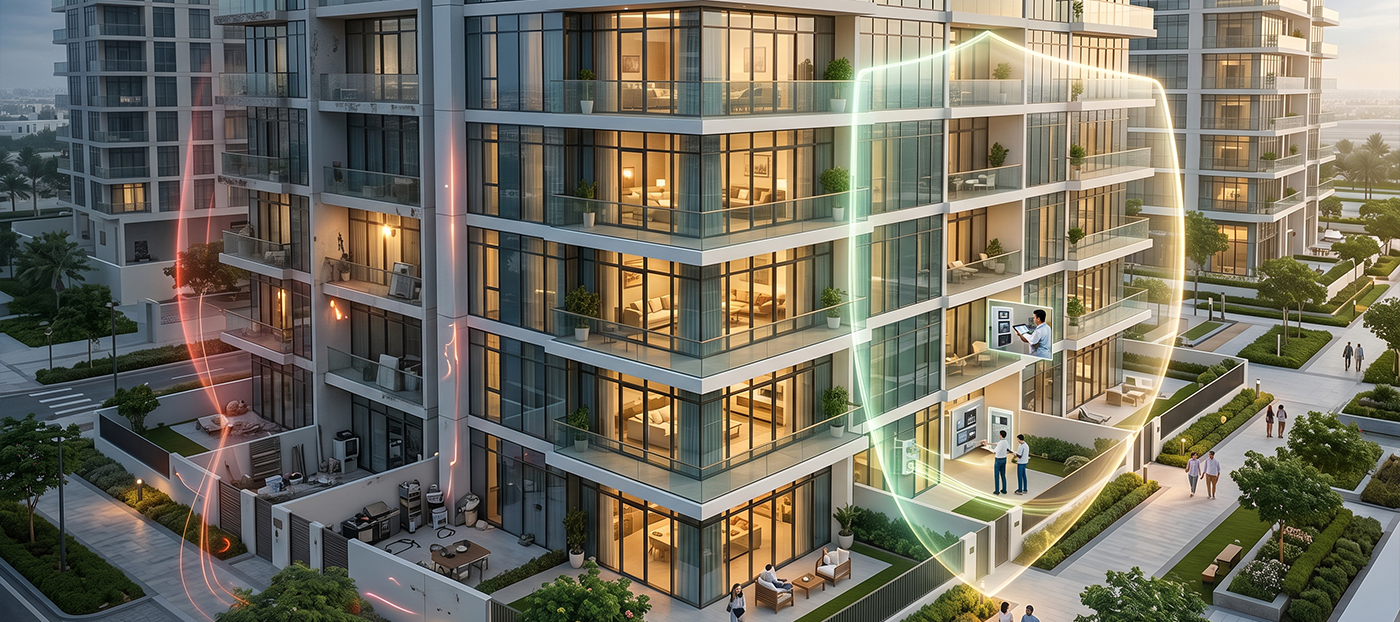
Traditional management is inefficient because it relies on fixed schedules—cleaning an empty lobby or cooling an unoccupied gym. Smart buildings in the Iman portfolio utilize IoT (Internet of Things) to replace schedules with logic.
Disputes thrive in the dark. When a tenant receives a high annual reconciliation statement without data, they push back. In 2026, smart building platforms serve as a “Single Source of Truth.”
Net yield is not just income minus expenditure; it is also about preventing accelerated depreciation. A building that slashes service charges blindly to appease tenants will eventually face a massive Capital Expenditure (CAPEX) bill when systems fail.
Smart management extends the life of mechanical systems, keeping the “Sinking Fund” or Reserve Fund contributions predictable. Investors value predictability; a stable service charge history makes an asset significantly more valuable on the secondary market.
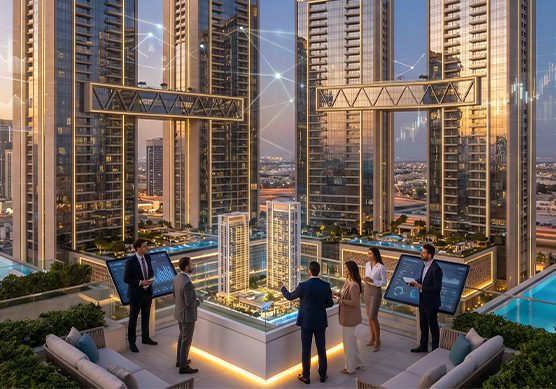
To win the service charge war, a developer must act as a service provider, not just a rent collector. The integration of technology is no longer an optional luxury—it is a requirement for margin protection.
| Feature | Conventional Building | Iman Smart Building |
|---|---|---|
| Energy Waste | High (Timer-based) | Low (Sensor-based) |
| Maintenance | Reactive (Expensive) | Predictive (Cost-effective) |
| Tenant Retention | Low (Price sensitive) | High (Value-driven) |
| Audit Risk | High (Lack of data) | Zero (Full transparency) |
| Net Yield Impact | Volatile | Stable & Protected |
The conflict over service charges is ultimately a struggle for efficiency. In the Dubai of 2026, manual oversight is no longer sufficient to protect an investor’s bottom line. By reducing waste and improving transparency, Iman Developers ensures that every dirham spent on maintenance is an investment in the building’s future.
A: On average, smart systems can reduce total operational energy costs by 20% to 35%, which is the largest variable component of a service charge.
A: While there is a minor “Green Premium,” the investment is usually recovered within 24 months through lower utility bills and higher tenant retention rates.
A: Many modern buildings now integrate their data with RERA’s Mollak system to ensure that all service charge filings are backed by verifiable energy and maintenance data.