
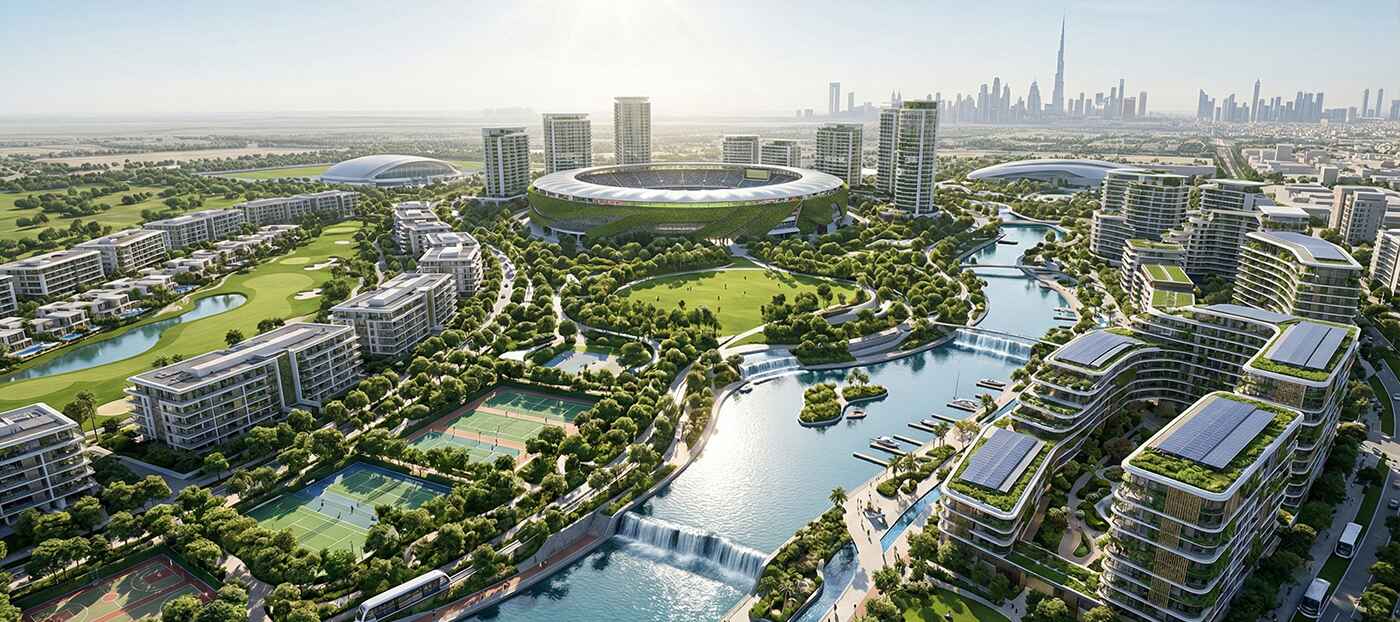
Motor City Dubai is transforming from a sports-themed community into a modern residential sanctuary. With upgraded infrastructure, new developments, wellness-focused amenities, and strong rental demand, it has become an attractive destination for families, professionals, and property investors.
Motor City is a master-planned residential community in Dubai originally designed around a motorsports theme. Over the years, it has evolved into a low-density, family-friendly neighborhood with spacious apartments, villas, and a growing array of lifestyle amenities.
Developed by Union Properties, the area was initially famous for the Dubai Autodrome. While the track remains a landmark, the surrounding land has matured into a lush, quiet district. It is bordered by Arabian Ranches and Dubai Sports City, placing it in the heart of the city’s residential corridor. Unlike the high-rise clusters of the coastline, Motor City is defined by its low-rise architecture and wide, cobbled streets.
The evolution of Motor City is a study in urban renewal. In its early years, the community was marketed almost exclusively to automotive enthusiasts. The branding was heavy on checkered flags and racing motifs. However, the true value of the area lay in its original master plan, which prioritized space over density.
As Dubai grew outward, the demand for “suburban-style” apartment living increased. Motor City met this demand by shifting its focus. The expansion of residential inventory brought more diverse housing options. Retail and dining options moved beyond quick-service outlets to include organic markets, pet-friendly cafes, and boutique fitness studios.
The integration of wellness into the community fabric has been the most significant change. What was once viewed as a pit stop for racing fans is now a premier destination for those seeking a balanced, active lifestyle. The infrastructure has matured to support long-term residency rather than transient tourism.
The “2.0” version of this community is not just about new paint. It represents a fundamental change in how the neighborhood functions. Several key factors define this new era:
In many newer parts of Dubai, developers have shifted toward compact, “efficient” units to maximize profits. Motor City resists this trend. The older units in UpTown Motor City and the newer developments both offer floor plans that are significantly larger than the city average. This extra square footage is a luxury in a market where space is becoming increasingly expensive.
The layout of the neighborhood encourages walking. The main boulevard is lined with shops and services, while the residential pockets are tucked away from the noise. This low-rise approach prevents the “concrete jungle” feeling common in high-density districts.
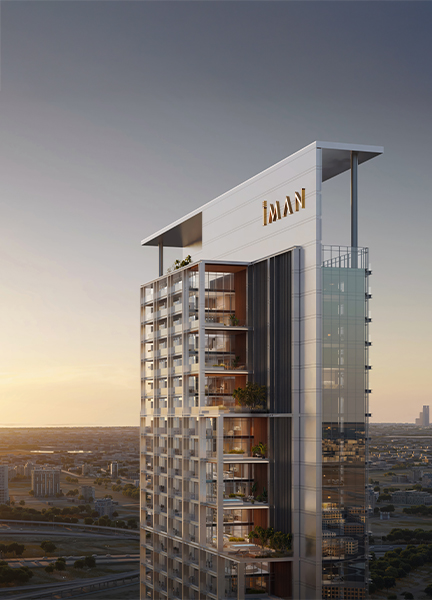
While the original buildings have a charming, Mediterranean-influenced aesthetic, new projects are bringing contemporary glass and steel designs to the area. These new launches are attracting a younger demographic of professionals who want modern interiors within a mature community.
The neighborhood is interspersed with small parks, playgrounds, and paved tracks. Residents can cycle or jog through the community without the constant interference of heavy traffic. This emphasis on open-air living has become a primary selling point.
Living in Motor City offers a pace of life that is difficult to find elsewhere in Dubai. The environment is quiet, and the air feels clearer thanks to the abundance of trees and greenery. It is a place where neighbors know one another, and children can play safely in common areas.
Families are particularly drawn to the proximity of reputable schools and healthcare facilities. Within a ten-minute drive, residents can access GEMS Metropole School and various clinics. Retail convenience is another highlight. The Ribbon and First Avenue Mall provide everything from high-end groceries to hardware stores, making it possible to complete daily errands without leaving the community.
Connectivity is a major practical advantage. Motor City sits at the junction of Hessa Street, Al Khail Road, and Sheikh Mohammed Bin Zayed Road. This allows for straightforward commutes to Business Bay, Dubai Marina, or the Al Maktoum International Airport.
From an investment perspective, Motor City offers stability. While some areas of Dubai experience volatile price swings based on speculation, Motor City remains a favorite for end-users. This creates a resilient rental market.
The community currently offers competitive rental yields, typically ranging between 6% and 7%. Because the units are large, they attract long-term tenants—usually families—who stay for several years. This reduces the costs associated with frequent turnover and vacancy periods.
| Area | Average Yield | Density | Target Market |
| Motor City | 6–7% | Low-Mid | Families/Professionals |
| JVC | 6–8% | Mid-High | Young Professionals |
| Dubai Marina | 5–6% | High | Short-term/Tourists |
Compared to Jumeirah Village Circle (JVC), Motor City offers a more established, less congested feel. While Dubai Marina may offer higher prestige, Motor City provides better value for money in terms of price per square foot.
The preference for Motor City often comes down to the quality of the “home” experience. High-density areas often suffer from elevator wait times, parking shortages, and narrow balconies. In Motor City, balconies are often large enough to serve as outdoor dining rooms.
The internal roads are wider, meaning traffic congestion within the community is rare. There is a sense of permanence here. Many residents have lived in the neighborhood for a decade or more, contributing to a strong community atmosphere that is often missing in newer, flashier developments.
Government investment in Dubai’s road networks has significantly benefited the area. Recent upgrades to the bridges and interchanges surrounding Motor City have slashed commute times. Furthermore, the continued expansion of retail and healthcare options ensures that the community remains self-sufficient.
New project launches are also acting as a catalyst for capital appreciation. As developers introduce premium units at higher price points, the value of existing property in the area tends to rise. These infrastructure improvements are a clear signal to investors that the area is still on an upward trajectory.
No investment or residential choice is without drawbacks. It is important to note that some of the original buildings in Motor City are nearly twenty years old. Buyers should factor in potential renovation costs or check the maintenance history of a building before purchasing.
Service charges can also vary significantly between different sub-communities. Additionally, Motor City is an inland community; those who prioritize being within walking distance of the beach may find the location less ideal. Finally, it is a market for steady growth rather than rapid “flipping.” Those looking for immediate, speculative gains might find the pace of the Motor City market too slow.
Motor City is an ideal match for several types of buyers:
Motor City has successfully navigated the transition from a niche interest hub to a premier residential sanctuary. It offers a rare combination of space, greenery, and connectivity. As Dubai continues to expand, the value of low-density, established communities will only increase. Whether you are looking for a place to call home or a reliable asset for your portfolio, Motor City 2.0 represents a balanced and mature choice in a fast-moving city.
Q1. Is Motor City a good area to live in Dubai?
Yes, it is highly regarded for its quiet atmosphere, spacious layouts, and walkable streets, making it one of the most livable mid-market communities in the city.
Q2. What is the rental yield in Motor City?
Rental yields generally fall between 6% and 7%, though this can vary based on the specific building and the condition of the apartment.
Q3. Is Motor City good for families?
It is widely considered one of the best family areas in Dubai due to its parks, schools, and the safety provided by its low-density design.
Q4. How does Motor City compare to JVC?
While JVC often has more modern, smaller units and slightly higher yields, Motor City offers more space, better infrastructure, and a more established community feel.
Q5. Is Motor City good for long-term investment?
Yes. Its popularity with families ensures high occupancy rates and steady capital appreciation over time.
Q6. Why is Motor City called a sports hub?
The name originates from the Dubai Autodrome, a world-class motorsport circuit located within the community. The area also hosts various sports academies and fitness facilities.